

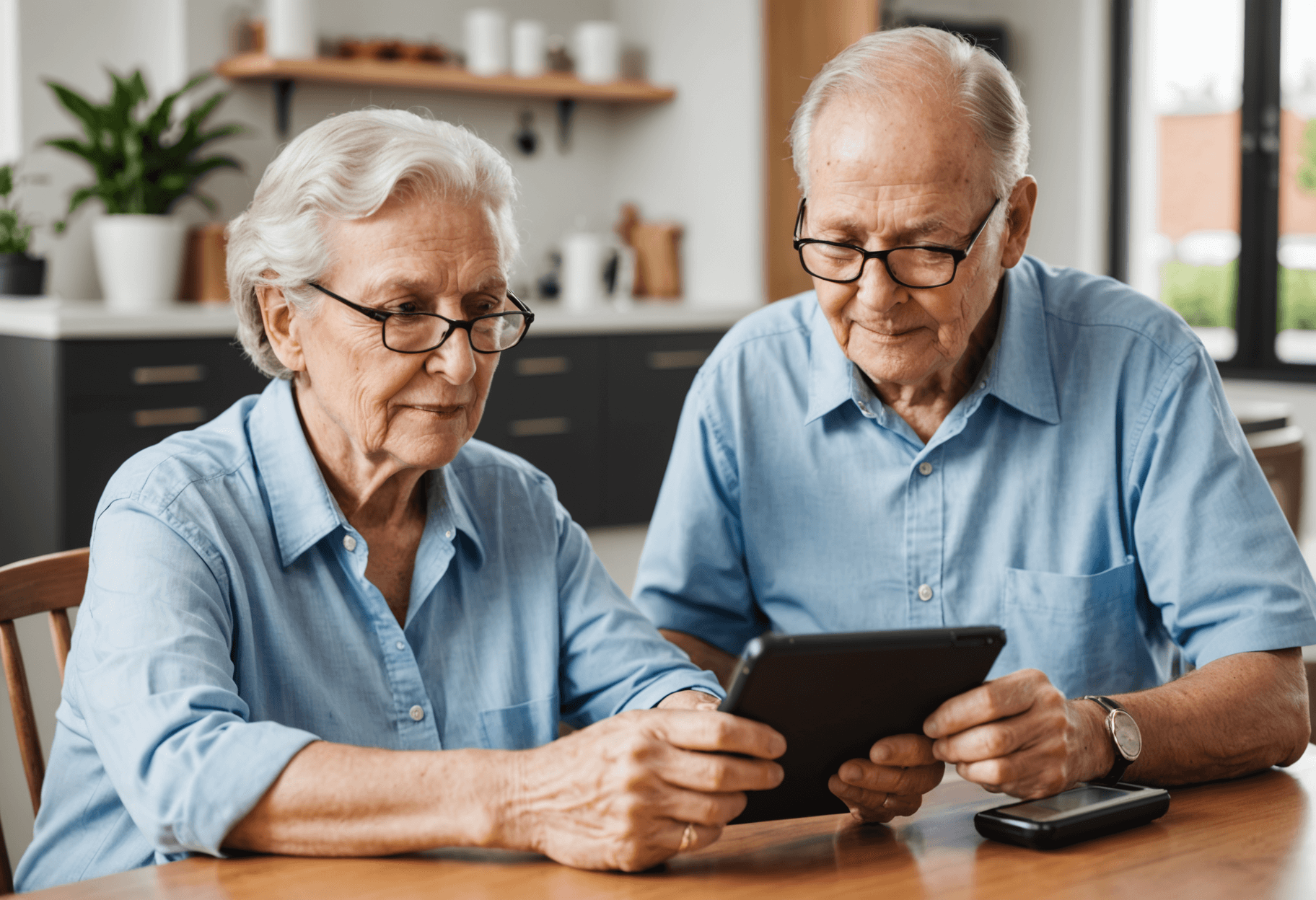
Families around the Greater Toronto Area worry more about keeping their elderly loved ones safe and healthy. Many turn to GPS tracking devices to stay connected and watch over them. These trackers do more than just show locations; they act like safety nets, helping seniors stay free and independent while giving families peace of mind. For people who deal with forgetfulness, confusion, or health problems, these devices work like invisible helpers, blending safety and freedom in a smart way. Anyone who cares about aging family members will find these tools a game changer that makes a real difference every day. Keep reading to discover how this simple tech can change lives in ways you never expected.
Whether your elderly family member lives alone, frequently ventures out, or simply appreciates the reassurance of being traceable, understanding how GPS tracking can make a difference is essential. This article explores the reasons behind this rising trend, how to choose the right device, and practical ways families can implement GPS tracking to safeguard their loved ones while respecting their dignity.
Why Families in GTA Are Embracing GPS Tracking for Seniors
Recent statistics show that nearly 40% of seniors in Ontario experience some form of cognitive decline or health issues that can impact their safety. Families often face dilemmas—how to allow independence without risking safety. GPS tracking devices answer that challenge by offering real-time location updates, alerts, and communication features.
In the competitive landscape of senior safety solutions, GPS devices stand out because they enable family members to stay connected without being intrusive. For families in Toronto, Mississauga, Brampton, and other parts of the GTA, these tools provide a pathway to ensure their elders are safe, especially when they are out and about or in unfamiliar environments.
Key Benefits of Using GPS Tracking Devices for Seniors in the GTA
Enhanced Safety and Security
- Real-time location updates help families quickly locate seniors who may have wandered or become disoriented.
- Geofencing features alert family members if the senior leaves designated safe zones, such as their neighborhood or local park.
- Some devices include emergency buttons that seniors can press to alert loved ones or emergency services instantly.
Promotes Independence While Maintaining Peace of Mind
- GPS trackers allow seniors to go about their daily routines without feeling overly monitored, respecting their independence.
- Family members gain reassurance knowing where their loved ones are without constant check-ins.
- Such devices support seniors’ social activities, errands, and outdoor walks, fostering a sense of autonomy.
Factors to Consider When Choosing a GPS Tracking Device for Elderly Family Members
Picking the right device involves assessing multiple factors to ensure it suits your loved one’s specific needs. Here are some critical considerations:
Ease of Use
Devices should be simple to operate with limited buttons and intuitive interface. Touchscreen models might be challenging for some seniors, so consider devices with large buttons or minimal controls.
Size and Design
Opt for compact and lightweight devices that are comfortable to wear, whether as a pendant, wristband, or clipped onto clothing. Discreet designs are often preferred to avoid making the device feel stigmatizing.
Battery Life and Charging
Long-lasting batteries reduce the need for frequent recharging, which can be overlooked by some users. Devices with notification alerts for low battery are advisable to prevent loss of tracking ability.
Connectivity and Coverage
Ensure the device covers the GTA area effectively, taking into account cellular coverage and GPS signal strength. Confirm compatibility with smartphones or caregiver apps for easy monitoring.
Additional Safety Features
Look for devices with features like fall detection, two-way voice communication, and GPS-based activity logging to enhance safety further.
Practical Tips for Families Implementing GPS Tracking for Seniors
- Involve your loved one in the decision: Explain the purpose of the device and how it benefits their safety, fostering cooperation and comfort.
- Set clear boundaries and usage habits: Define when and where the device should be used, and establish routines for charging and wearing it.
- Regularly review device data: Monitor activity logs and location reports to stay informed about your loved one’s habits and safety.
- Respect privacy and dignity: Use GPS devices as a supportive tool, not as a way to spy. Focus on safety and trust.
- Stay informed about local resources: Many communities, including parts of the GTA, offer programs and resources to help families select and implement GPS tracking solutions effectively.
Legal and Ethical Considerations When Using GPS Devices for Seniors
Implementing GPS tracking must strike a balance between safety and respecting personal privacy. It’s essential to have open conversations with your loved ones about the purpose and extent of the tracking, ensuring they understand and agree to its use. Some key points include:
- Consent is crucial: Always seek the senior’s agreement before installing or activating a GPS device.
- Transparency: Clearly explain how data will be used and who will have access.
- Limit intrusive monitoring: Use features like geofencing rather than constant location tracking to maintain dignity.
- Stay compliant with laws: Be aware of privacy laws in Ontario regarding surveillance and data collection.
Success Stories: How GPS Tracking Changes the Lives of Families in GTA
Many families in the GTA have shared positive experiences after adopting GPS tracking devices for their seniors. Take the example of a family in Mississauga whose mother has early-onset dementia. Using a GPS pendant, they can quickly locate her when she steps outside her usual walking route or forgets her way home. This simple technology has reduced her anxiety and given her more freedom to enjoy daily activities.
Similarly, a family in Brampton reports peace of mind knowing their father can contact them instantly if needed through the device’s two-way calling feature. These stories exemplify how modern tracking solutions support both safety and independence, reinforcing the importance of thoughtful implementation.
Conclusion: Taking Action to Keep Seniors Safe in GTA
As the population ages, families in the GTA face increased challenges in ensuring the safety and well-being of their loved ones. GPS tracking devices provide a practical way to monitor seniors while respecting their independence, enabling quick responses in emergency situations. By carefully selecting a device that matches their needs and understanding how to use it effectively, families can foster greater peace of mind and foster a supportive environment.
Remember, technology is a tool designed to complement your care, not replace personal interaction. Open communication with your loved ones and thoughtful use of GPS tracking can lead to safer, happier lives for seniors and their families alike. If you’re considering this step, researching the right options and consulting local resources such as Durham Post can make all the difference. Many families in GTA now see GPS tracking not just as a safety device but as a way to strengthen trust and connection with their elders.