

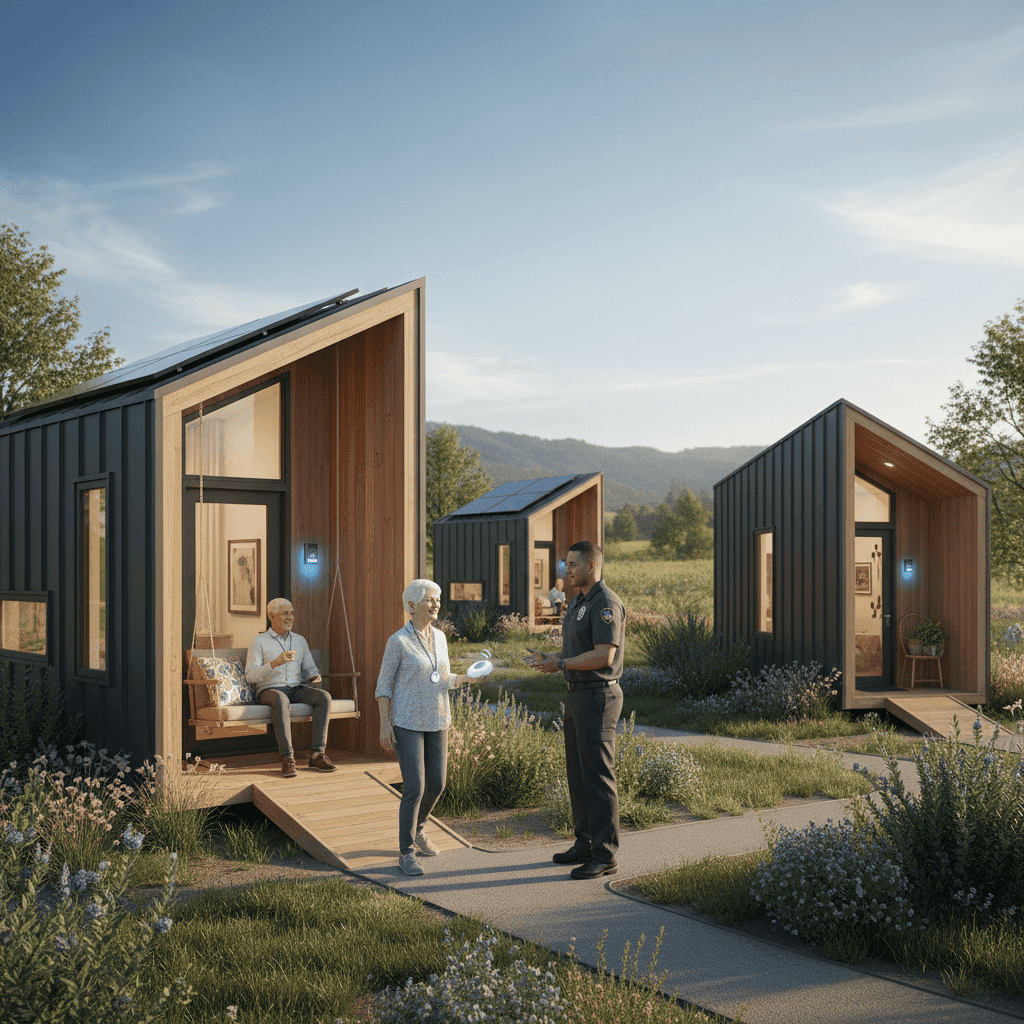
Tiny Homes Plus Medical Alerts Safety Comfort Simplified Living frames a clear picture for people who want less square footage and more reliable personal security. In a small home every design choice has impact. When critical safety technology fits the space and daily routine, daily life becomes less stressful and more predictable.
This article walks through why pairing compact living with modern medical alert systems works well for many households. You will find concrete examples, layout tips, device features to look for, and simple routines to keep systems working over time.
Why tiny homes and medical alerts are a natural match for simplified living
Living in a tiny home often means fewer rooms, shorter walking distances, and simpler maintenance. Those conditions are ideal for medical alert systems that depend on quick access and clear signal paths. A compact floor plan shortens response times and reduces the number of devices required to cover a space.
Smaller homes also make it easier to create clear sightlines and safe circulation paths. When paired with wearable alert devices and home sensors, residents and caregivers have a practical setup that supports independence without adding clutter or complex wiring.
Key safety features to prioritize in a tiny home setup
Not all medical alert systems work the same in reduced square footage. Look for features that match activity patterns and the architecture of the dwelling.
- Wearable emergency button that connects to a base station or cellular network
- Fall detection that can detect sudden motion changes without triggering false alarms during normal chores
- Waterproof options for bathroom use
- Long battery life for both wearable units and any portable base stations
- Clear two way communication so a response agent or caregiver can speak with the resident through the device
Types of sensors and where to place them
In a tiny home, one strategically placed base station often covers the whole interior. Place it centrally near common activity zones. If the layout includes a loft, consider an additional unit or a high sensitivity wearable to keep the upper level covered. Motion sensors are useful in hallways and near entrances. Door sensors help track activity for caregivers without constant monitoring.
Connectivity options that matter
Decide between landline paired devices and cellular systems. Cellular units avoid reliance on a home phone which many tiny home occupants do not have. If you travel with a tiny home, a cellular plan offers continuity. Battery backup is essential for power outages. For off grid setups consider units that offer extended battery life or can connect to solar charged power banks.
Comfort benefits that support daily routines
Comfort in a tiny home comes from smart layout and multi use elements. Medical alert systems contribute when they are unobtrusive and reliable. A slim pendant worn under clothing and a small base station tucked into a shelf are examples of low profile solutions that do not disrupt the interior design.
Design choices such as grab bars near the toilet and shower, a seat in the shower, and lever style door handles make movement easier. These additions reduce strain and pair well with an alert system that can be activated with one press in case of trouble.
Practical layout tips for comfort and safety
- Keep walking paths direct and free of tripping hazards
- Group daily use items within arm reach in kitchen and bath
- Place a charging station for wearable devices near the bed and an additional one near the main living area
- Use non slip flooring in wet areas and contrast color changes to help with depth perception
Simplified living advantages when safety is built in
A tiny home that integrates medical alerts allows residents to reduce the number of service contracts and maintenance obligations. One combined subscription for monitoring, plus a small kit of devices, replaces multiple complex systems. Fewer components mean straightforward troubleshooting and faster replacement when needed.
Streamlining possessions and routines goes hand in hand with having reliable safety tools. Regular testing protocols and a simple storage plan for spare batteries and charger cords will keep the system ready without adding stress.
How to choose the right medical alert system for a tiny home
Selecting equipment depends on lifestyle, mobility, and whether the home will move. Compare a few core elements to find the best match.
- Coverage range relative to the floor plan and outbuildings
- Wearable style that the person will actually wear at all times
- Subscription cost and what services are included such as monitoring hours and technician access
- Battery backup and replacement policies
- Water resistance ratings for devices used in bathrooms
For an in depth look at pairing tiny homes with monitoring choices and layout ideas see full article which covers specific floor plan examples and device pairings.
Real life examples that show what works
Scenario one is a single occupant who works from home and lives in a park model tiny home. They use a lightweight pendant with fall detection and a cellular base station. The unit is charged nightly on a bedside shelf and tested once a week. A backup portable battery lives in the kitchen for power interruptions.
Scenario two is a couple where one partner has a chronic condition. They use a wearable bracelet and a health tracker that sends medication reminders to a linked phone. Care partners live nearby and receive alerts through a shared app. Simple changes such as raising cabinet handles and installing a bench in the shower reduced the number of accidental slips over time.
Installation testing and maintenance tips for reliability
Set a routine for device checks. Test the call button and two way communication at least once per week. Keep a short log of test dates and any battery swaps. Replace batteries before manufacturer stated end of life if you notice shorter run time. Keep charger cords organized and labeled.
- Place the base station in an accessible but out of the way spot for protection
- Keep wearable devices charged overnight when possible
- Have a backup charging plan such as a portable power bank
- Know how to manually trigger a test call to the monitoring center
Choosing the right service plan and support network
Service plans vary by response time, hours of monitoring, and caregiver notifications. Consider whether you want 24 hour monitoring or limited hours. If caregivers are local, a plan that notifies family members may be more useful than a full professional monitoring plan. Compare response protocols and read the fine print about cancellation and equipment replacement.
Build a support list with phone numbers for neighbors, nearby family, and local emergency services. Keep that list near the base station and in a shared digital note for caregivers. Training a neighbor or friend to respond in the first minutes after an alert can speed help when seconds matter.
Small homes and modern medical alert systems create a practical pairing for people who value simplicity without compromising safety. With careful device selection, intentional layout choices, and regular maintenance routines, a tiny home can be a secure place to live long term while keeping daily life manageable.
To put these ideas into action start by mapping the most used spaces in your dwelling and matching devices to those zones. Test options on shorter trial plans before committing to long term subscriptions. Talk with device providers about moving scenarios if your home is mobile. A clear plan for backups and caregiver contacts will keep the system usable on any day.
When you are ready to design a tiny home that supports both comfort and safety use this information to pick models and place components with purpose. If you want help comparing features or building a maintenance checklist reach out to local installers or a trusted supplier. Taking the first step to set up reliable alerts and thoughtful design will make daily life simpler and more manageable. Act now to review layouts, test devices, and assign emergency contacts so your tiny home becomes a safe and comfortable base for years to come.